When Identity Refuses to Appear
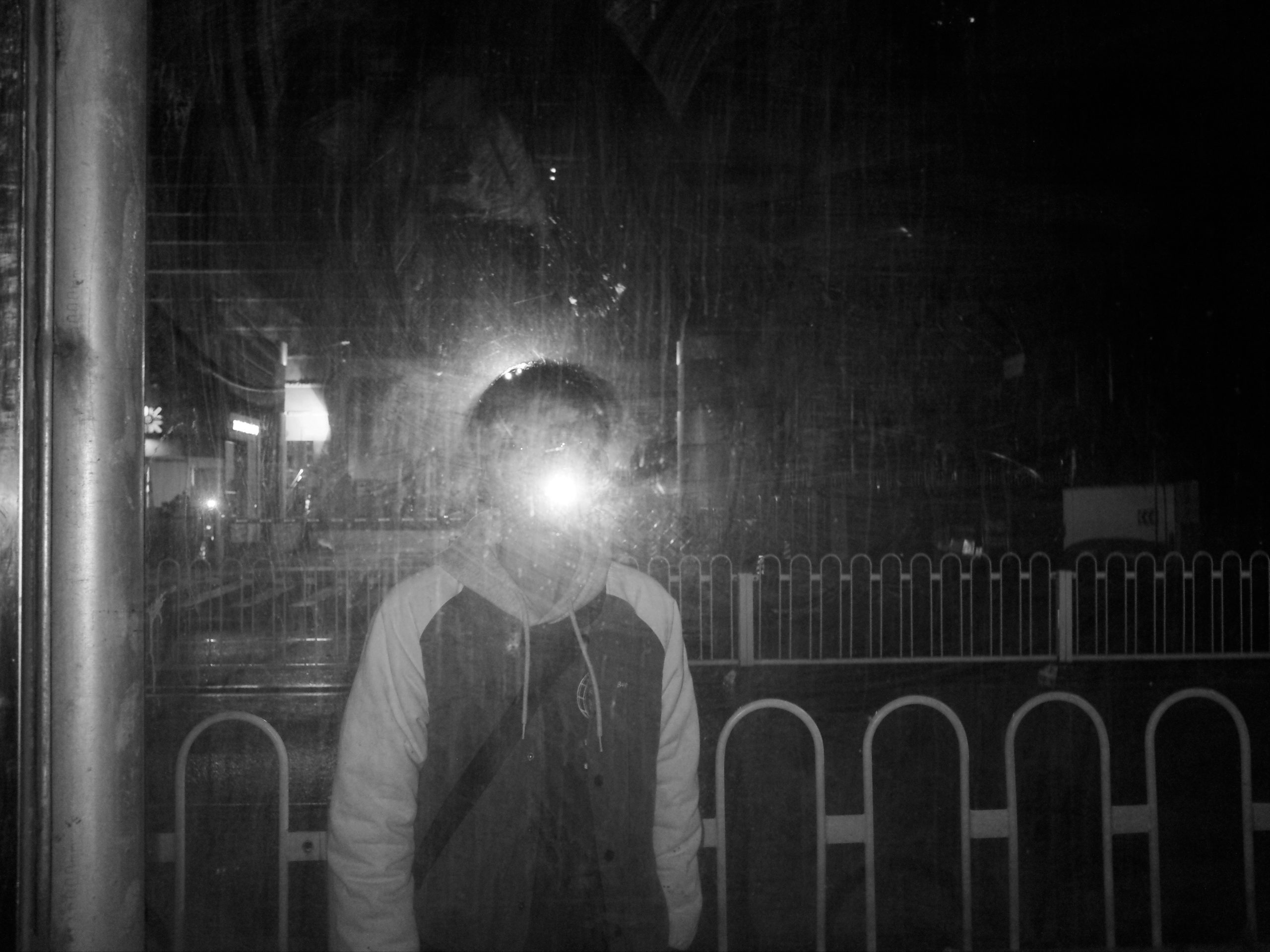
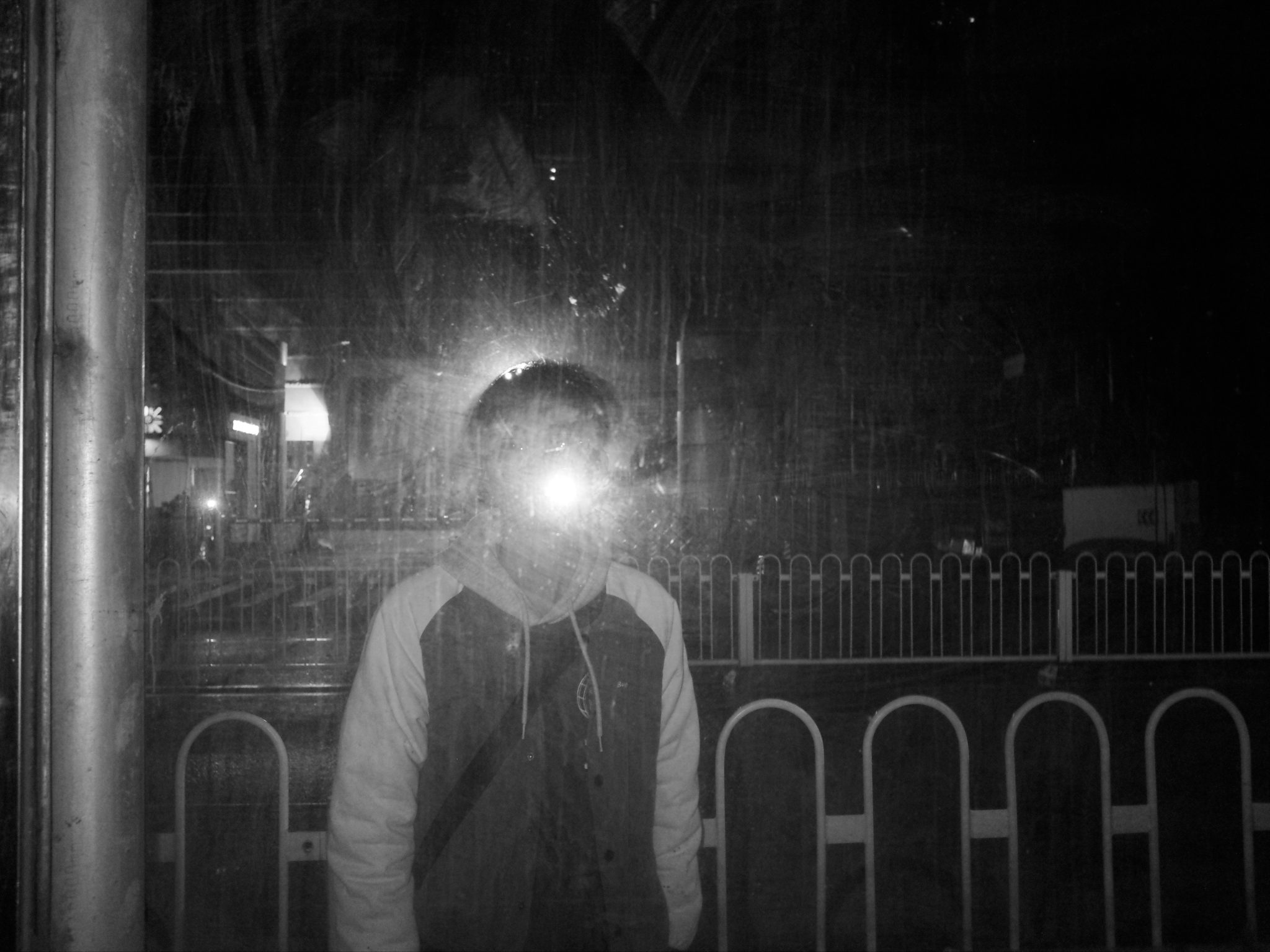
A figure stands behind a pane of glass, yet no face is truly visible. A burst of light from the camera flash strikes the surface, erasing identity and replacing it with glare, scratches, and reflections. What should be a portrait becomes something else entirely: an interruption.
The glass is not neutral. It carries marks, stains, and traces of previous contact, turning the surface into an archive of time and friction. The city behind it appears fragmented, distant, and partially obscured. The subject is present, but never fully accessible. We are denied the comfort of recognition.
In a culture obsessed with visibility, this refusal feels deliberate. Faces dominate our screens, endlessly documented and shared. Here, the image resists that logic. The flash exposes nothing. Instead, it conceals. The subject becomes anonymous, reduced to posture and clothing, stripped of expression. What remains is not a person, but a question.
This photograph speaks about identity as something unstable, shaped as much by context as by intention. The glass acts as a boundary between inside and outside, self and world. The reflection collapses these layers into one surface where clarity is impossible. The viewer looks, but cannot truly see.
There is also an uncomfortable tension in the act of photographing. The flash suggests intrusion, a moment of forced exposure. Yet the result is the opposite of revelation. The image reminds us that being seen does not guarantee being known. Sometimes, exposure creates distance rather than intimacy.
Culture often equates authenticity with transparency. This photograph challenges that assumption. It suggests that opacity can be truthful too. That refusing to show everything may be an act of self-preservation rather than concealment.
By denying the viewer a face, the image shifts attention to the act of looking itself. Why do we expect access? Why do we seek confirmation through visibility? In this frame, identity slips away, leaving behind a reflection that belongs as much to the city, the camera, and the viewer as to the subject.
The photograph does not offer resolution. It leaves us with uncertainty, reminding us that some aspects of identity remain unreachable, even under the harshest light.