Everyday Choreography of the Street
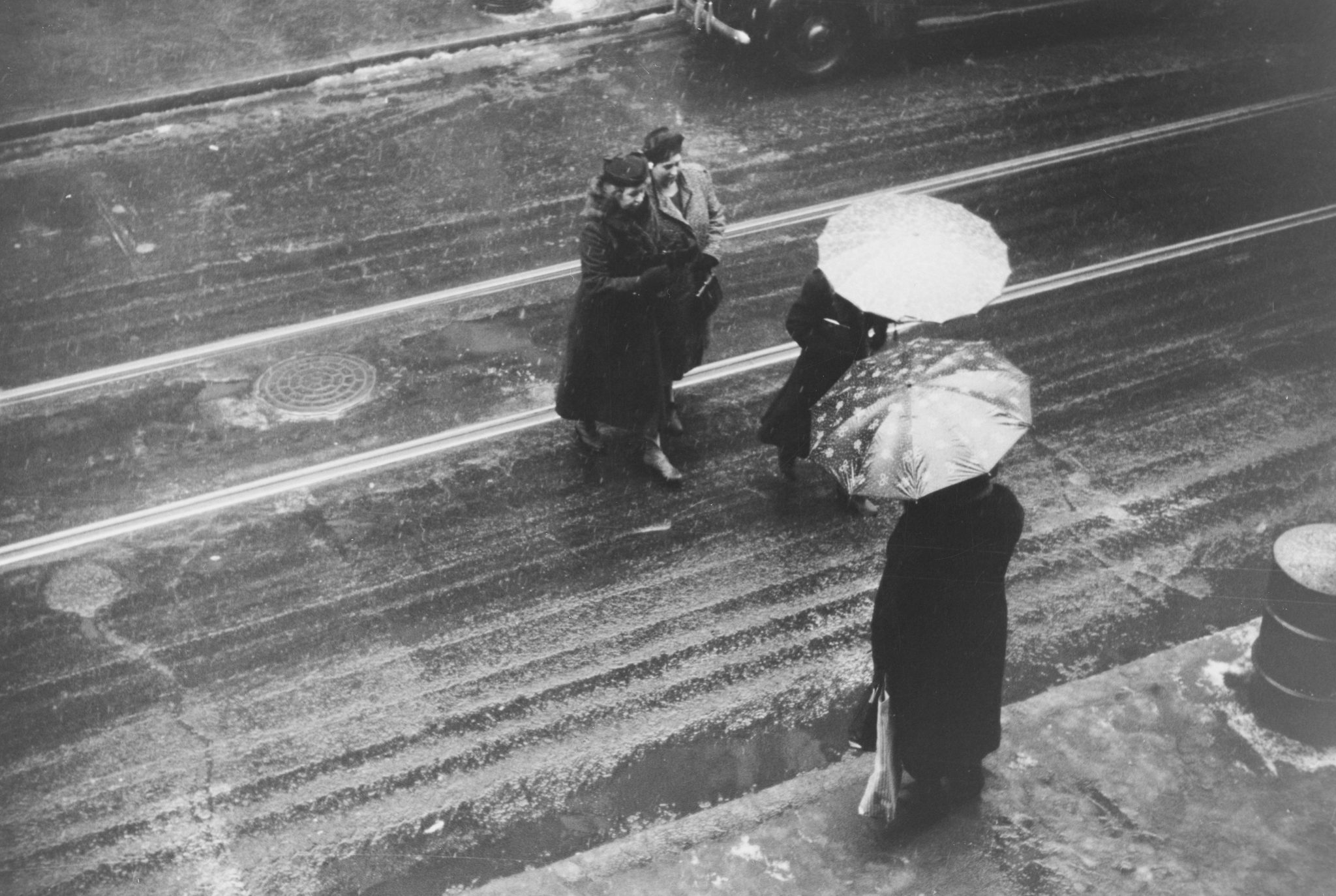
Seen from above, a small group of figures crosses a city street under umbrellas, their movements loosely synchronized by weather rather than intention. The street surface is wet, textured, marked by lines, tracks, and traces of repeated passage. Nothing here is monumental, yet everything feels carefully arranged by chance.
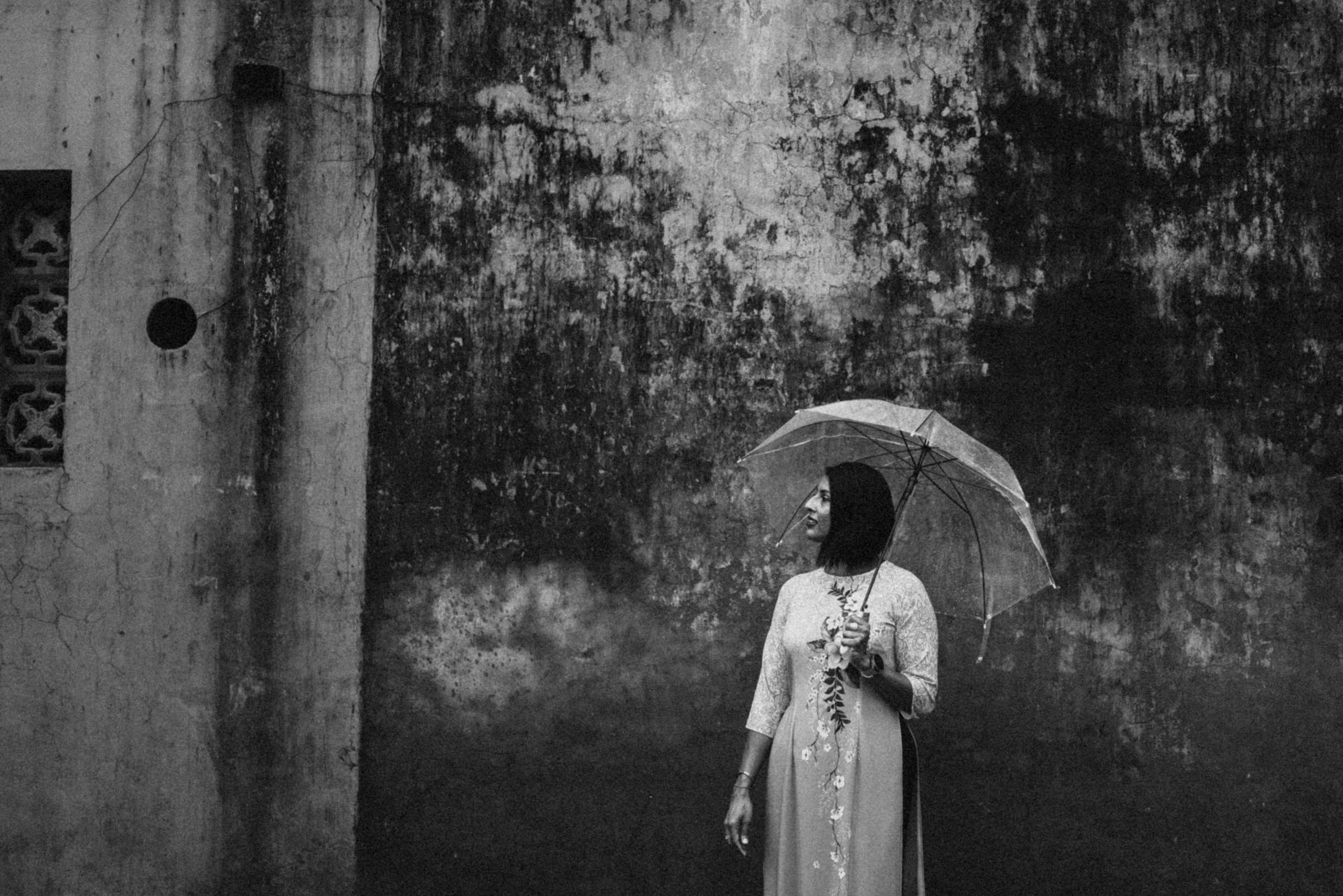
The umbrellas dominate the composition. They obscure faces, turning individuals into shapes and gestures rather than identities. Protection becomes the common denominator. Each person responds to the same rain, but in their own way, at their own pace. Some walk together, others remain slightly apart. The street becomes a temporary stage where private routines overlap without truly connecting.
This photograph speaks to the quiet rituals of urban life. Crossing a street is an ordinary act, repeated countless times each day. Yet seen from a distance, it reveals an unspoken order. Lines on the road guide movement. Weather dictates posture. Clothing adapts. The city imposes structure, while individuals negotiate their place within it.
There is a sense of restraint in the image. No one rushes. No one draws attention. The moment is practical rather than expressive. And yet, it carries emotional weight. The shared umbrellas suggest vulnerability, a collective response to discomfort that briefly unites strangers under the same condition.
Culture often emerges from these unnoticed moments. Not from events or celebrations, but from habits repeated across generations. The coats, the hats, the umbrellas feel timeless. The scene could belong to many eras, many cities. Technology is absent. What remains is human adaptation to environment.
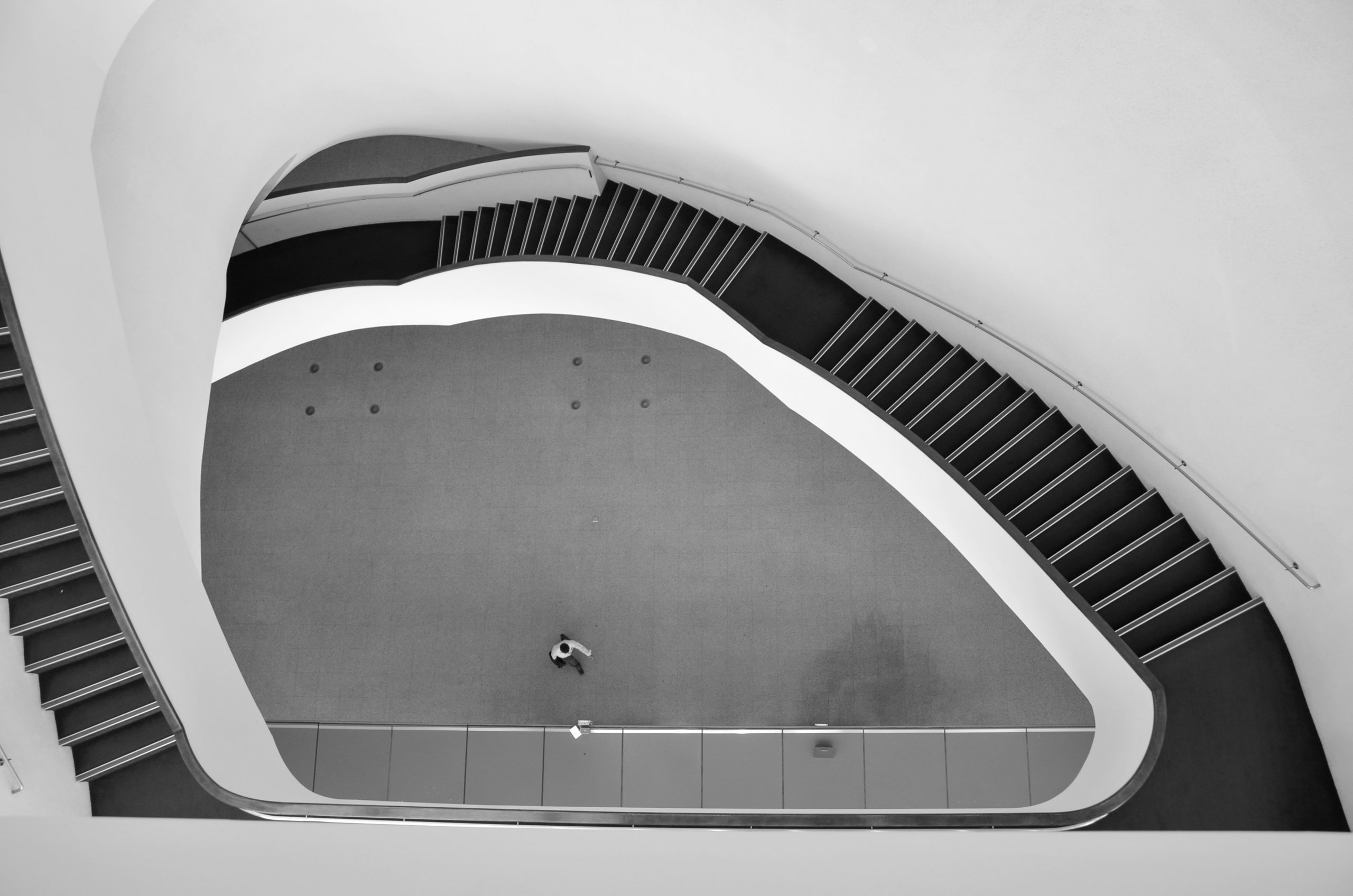
The elevated perspective reinforces this reading. By looking down, the photograph removes intimacy while gaining clarity. Individuals become part of a larger pattern, a moving diagram of daily life. The city reveals itself not as chaos, but as a system quietly sustained by routine.
This image reminds us that culture lives in repetition. In how people cross streets, respond to rain, and continue forward without spectacle. These small movements, multiplied endlessly, form the true rhythm of the city.