Thresholds Without Instructions
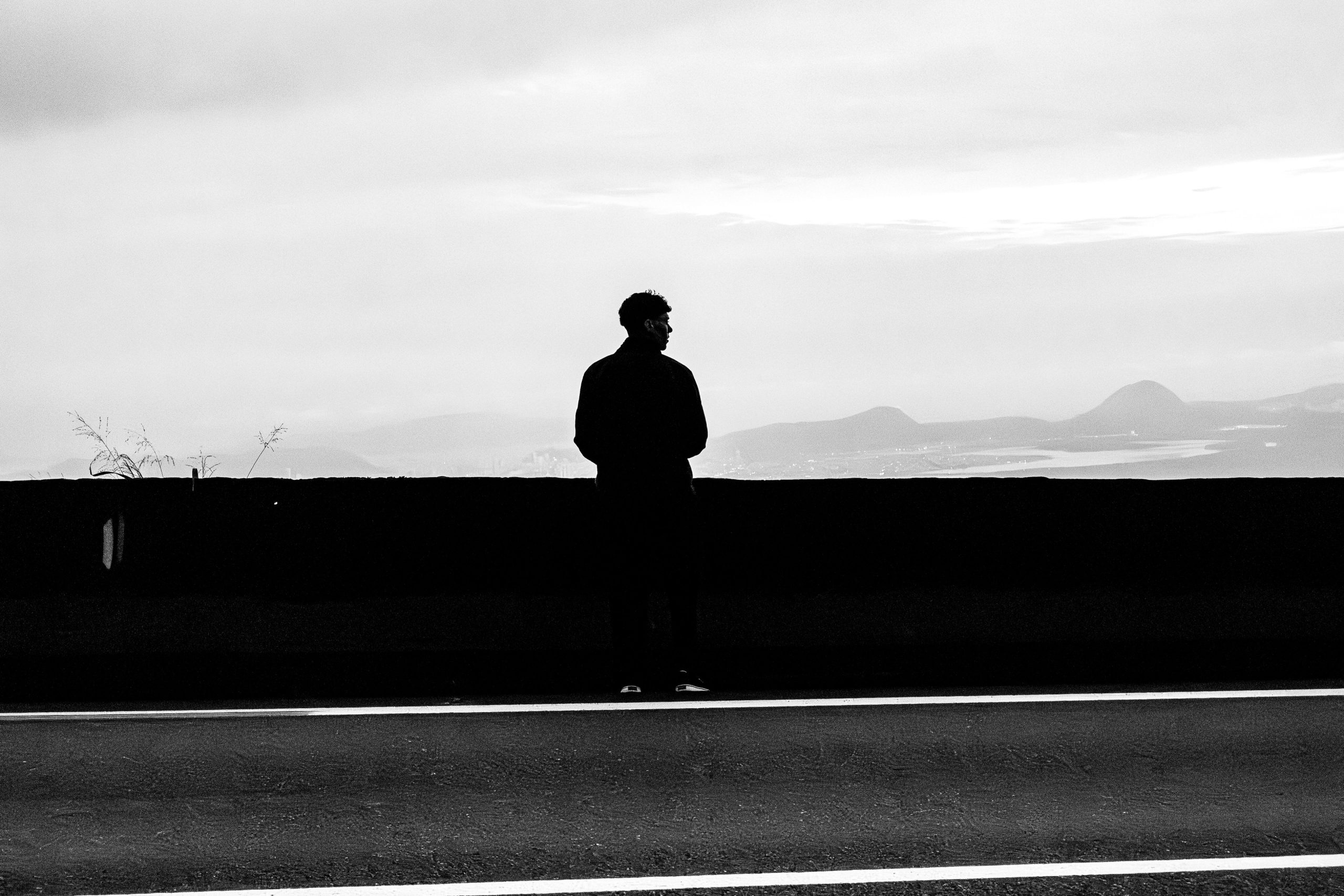
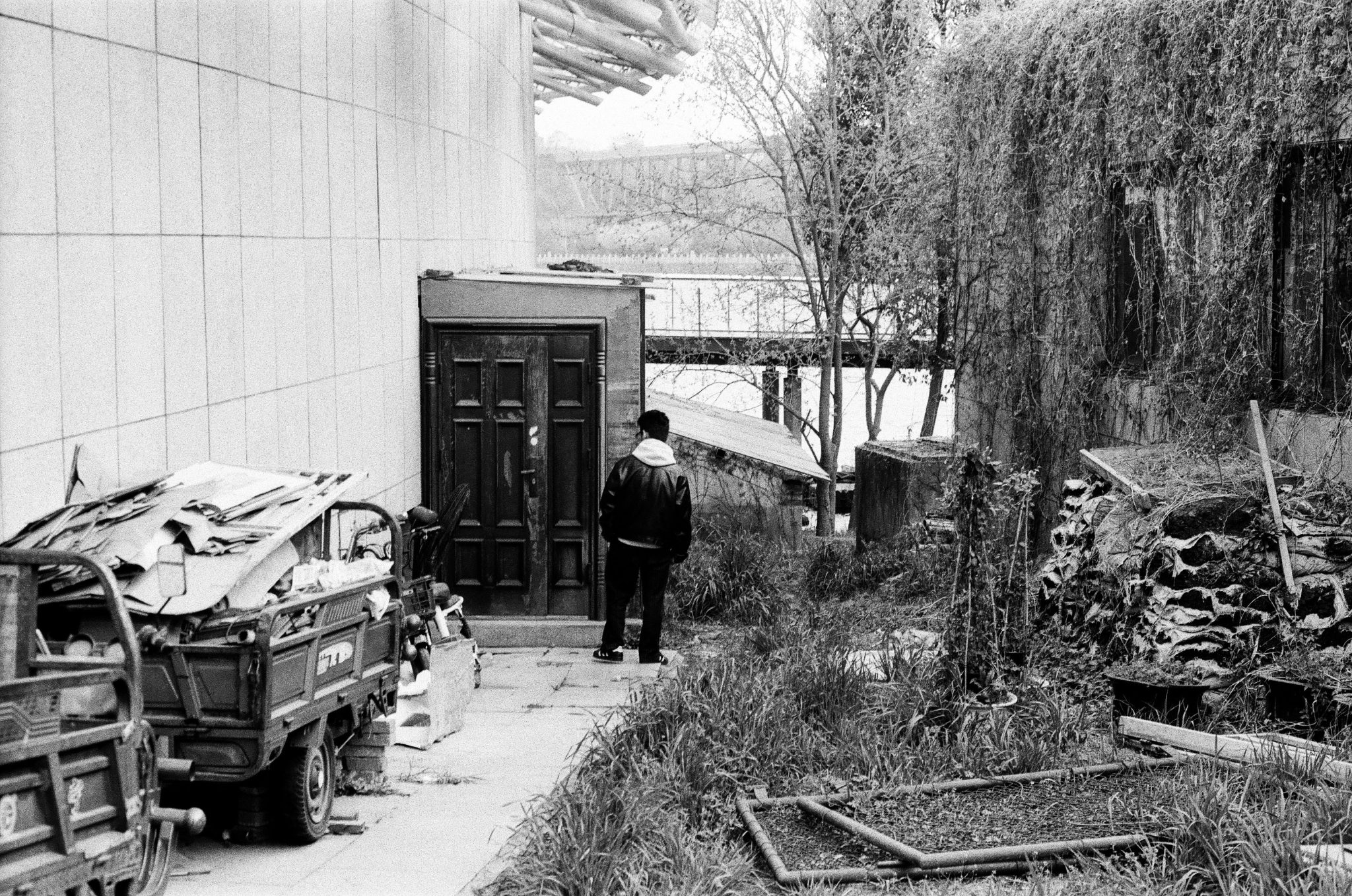
A solitary figure stands in front of a closed door, surrounded by an environment that feels neither abandoned nor fully alive. The space is cluttered with discarded objects, overgrown plants, and unfinished structures. Nothing here appears intentional, yet everything feels loaded with meaning. The door becomes the focal point, quiet and unresolved.
The person does not touch the handle. They simply stand there, facing the entrance without crossing it. This hesitation transforms the scene into something symbolic. Doors usually imply access, transition, or resolution. Here, it offers none of those guarantees. It stands firm, opaque, withholding explanation.
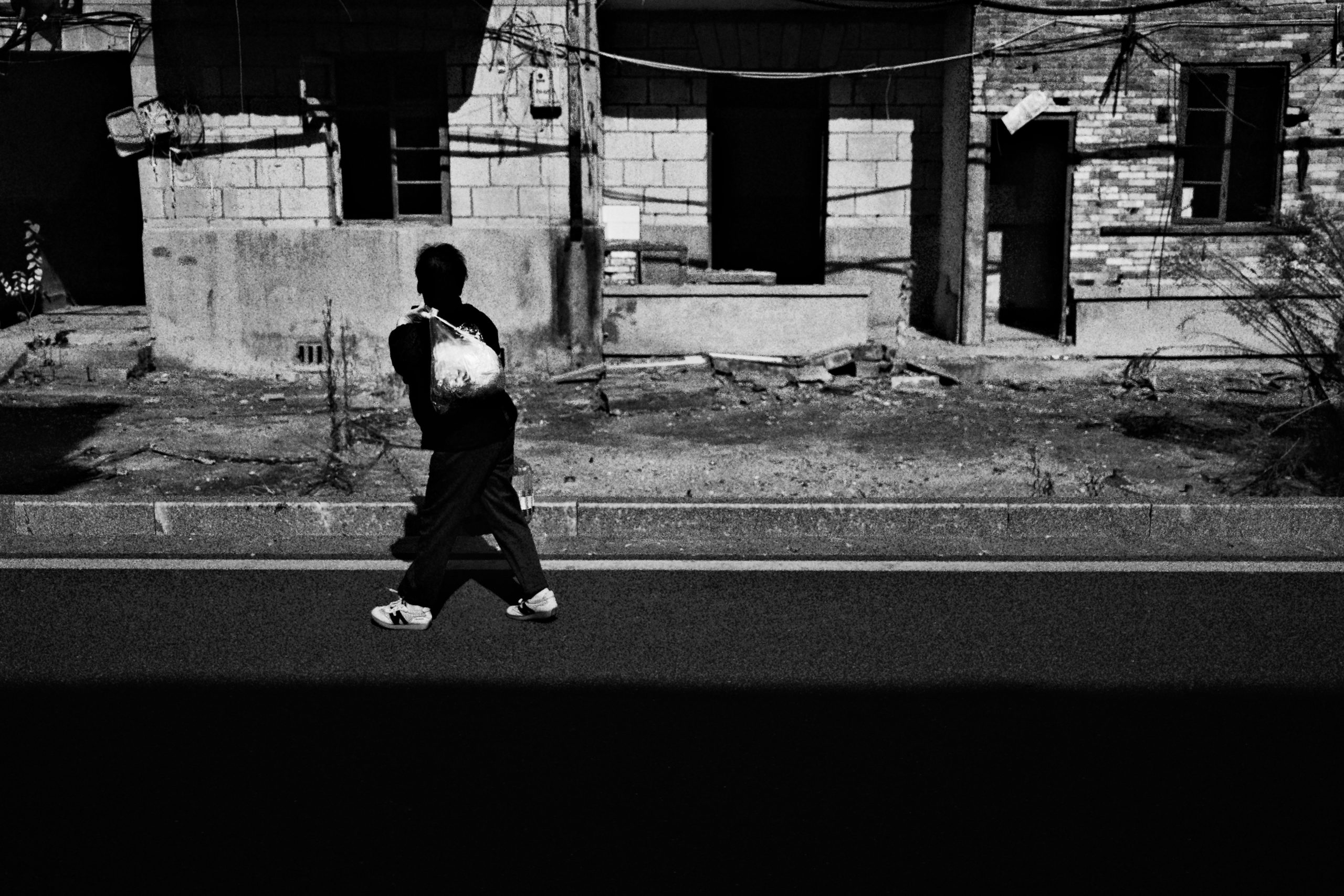
The surrounding environment reinforces this uncertainty. Nature and construction overlap without harmony. Vegetation grows freely, reclaiming neglected ground, while man-made elements remain scattered and incomplete. The space feels transitional, as if caught between past use and future purpose. The figure inhabits this in-between state, neither arriving nor leaving.
This photograph speaks about moments of pause before change. Culture often celebrates decisive action, movement forward, and visible progress. This image resists that narrative. It centers on the moment before choice, where doubt, reflection, and awareness coexist.
The absence of other people intensifies the isolation. The figure is alone with the door, with no guidance, no signage, no instruction. The city, visible in the distance, feels removed and inaccessible. What remains is an intimate confrontation with uncertainty.
The door does not promise entry or refusal. It simply exists. The power of the image lies in this ambiguity. The viewer is invited to project meaning onto the scene. Is this a moment of fear, anticipation, or acceptance? The photograph refuses to decide.
In this frame, travel becomes internal. The journey is not measured by distance, but by readiness. The act of standing still becomes significant. It suggests that some thresholds cannot be crossed until they are understood.
The image reminds us that not every path is marked, and not every transition announces itself clearly. Sometimes, the most profound movements begin with hesitation, facing a door without knowing what lies behind it.