Where Movement Dissolves
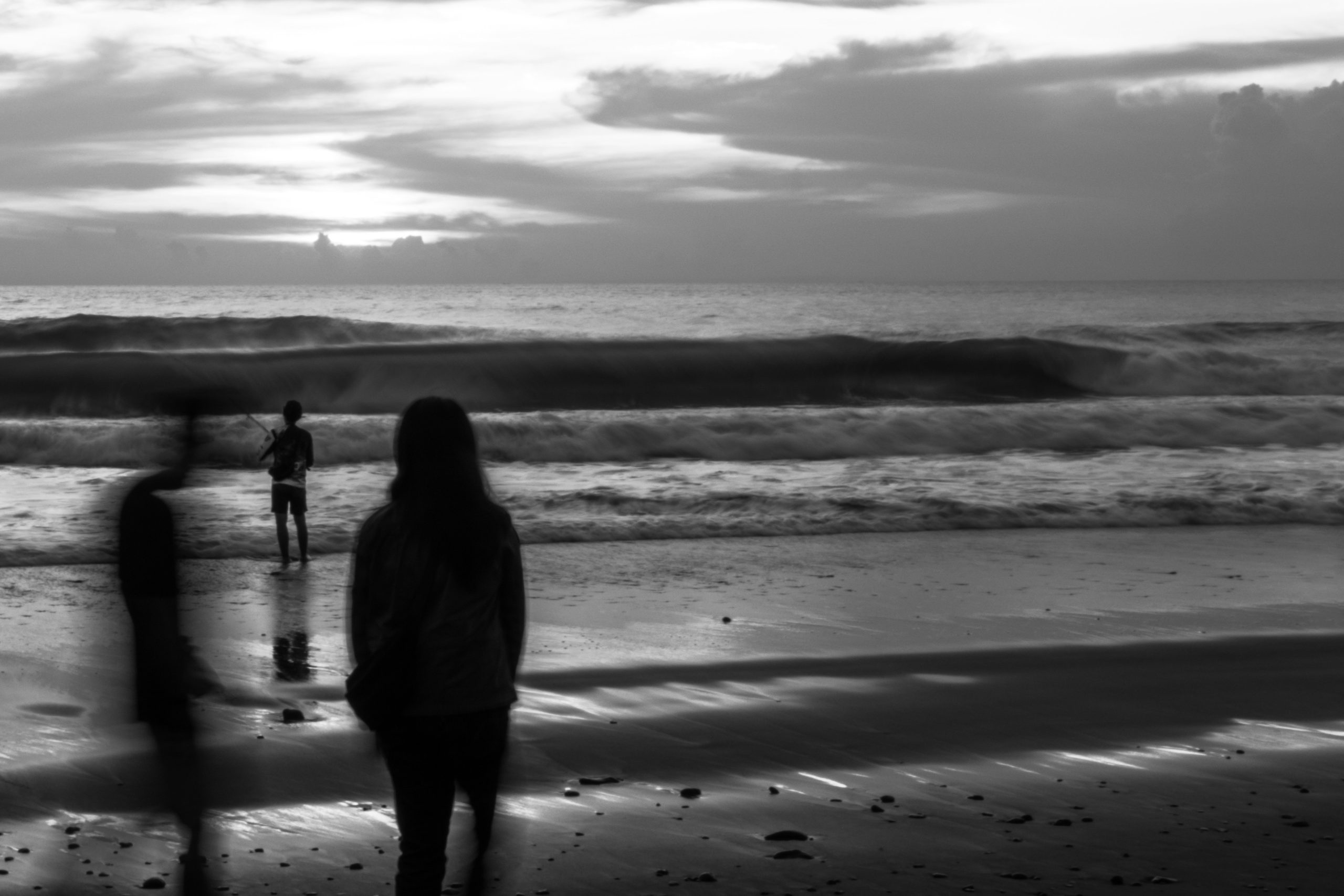
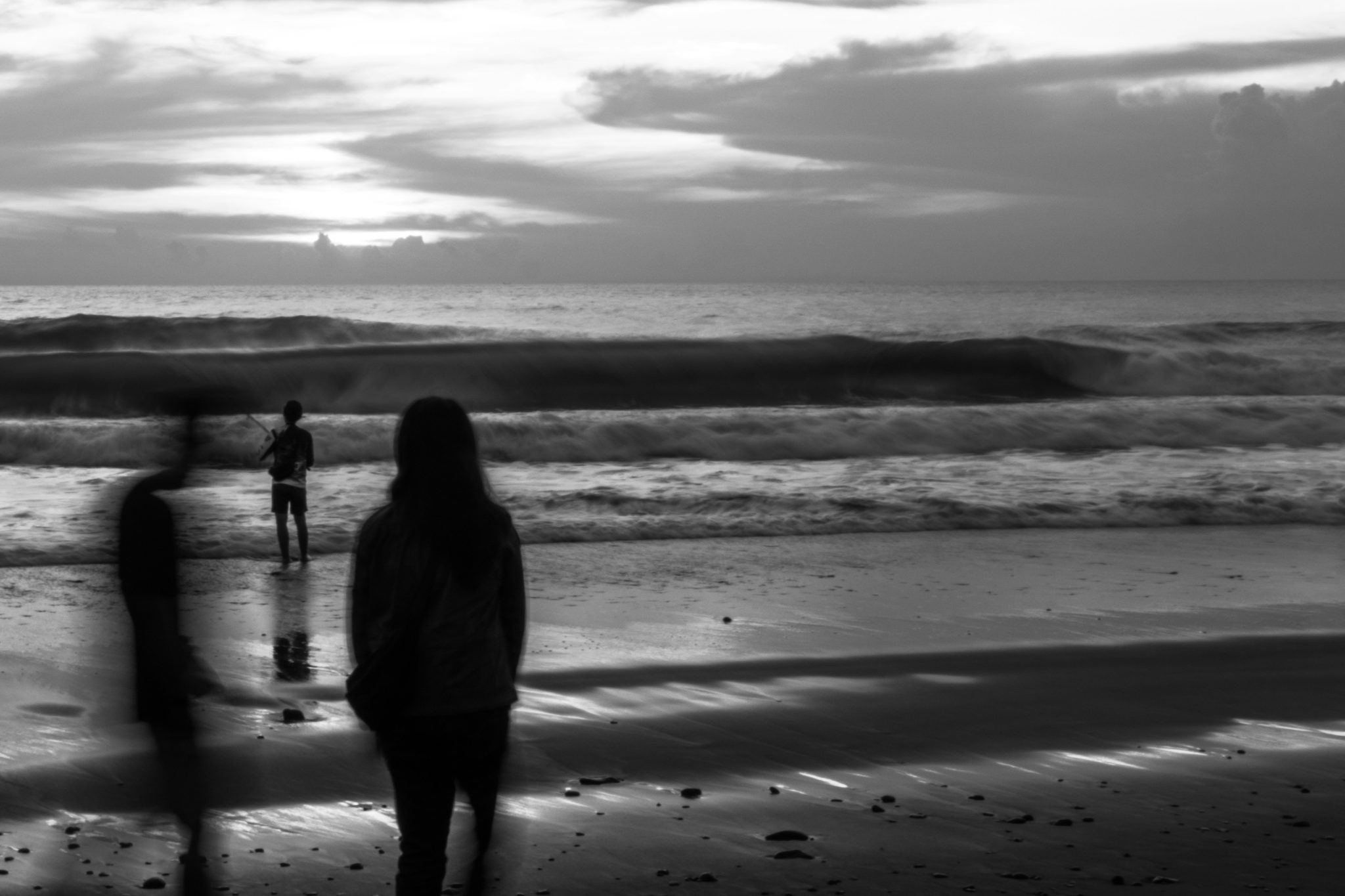
At the edge of the shore, human figures appear and disappear, softened by motion and fading light. The sea dominates the frame, vast and indifferent, while people remain secondary, almost temporary. Some stand still, facing the waves. Others move, blurred by time and distance. No one fully claims the space. Everyone seems to be passing through.
This photograph captures travel in its most stripped-down form. There are no landmarks, no signs of arrival, no sense of ownership. The beach is not a destination but a threshold, a place where movement slows and thoughts drift outward. The horizon stretches endlessly, offering neither promise nor closure. It simply exists.
The blurred silhouettes suggest time slipping away. These figures could belong to any place, any moment. Their lack of definition turns them into symbols rather than individuals. They represent all those moments when travel feels less like discovery and more like reflection. When movement becomes repetitive, almost meditative, mirroring the rhythm of the waves.
The sea itself is constant. It advances and retreats without hesitation, unaffected by human presence. Against it, people appear fragile, momentary, and small. This contrast gives the image its emotional weight. It reminds us that travel is not always empowering. Sometimes, it humbles us. Sometimes, it makes us aware of our own impermanence.
There is no clear narrative here. No beginning or end. Only a continuous flow. The photograph invites the viewer to slow down and observe rather than interpret. It asks us to accept uncertainty, to let go of the need for direction.
In this quiet tension between movement and stillness, the image reveals a deeper truth about travel. We move not to escape time, but to feel it more intensely. And in moments like this, standing before the sea, we understand that some journeys leave no trace except the ones they carve within us.